V Ceramics in place · Plate 048
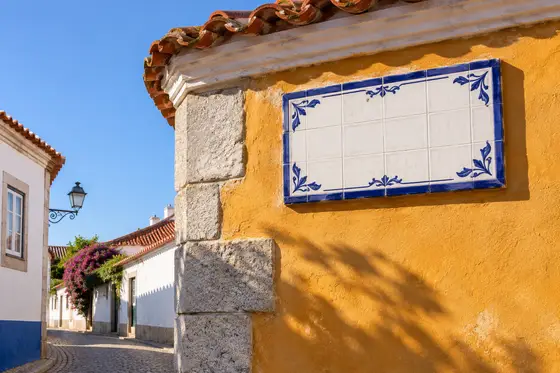
Madeira house with tiles and a hedge
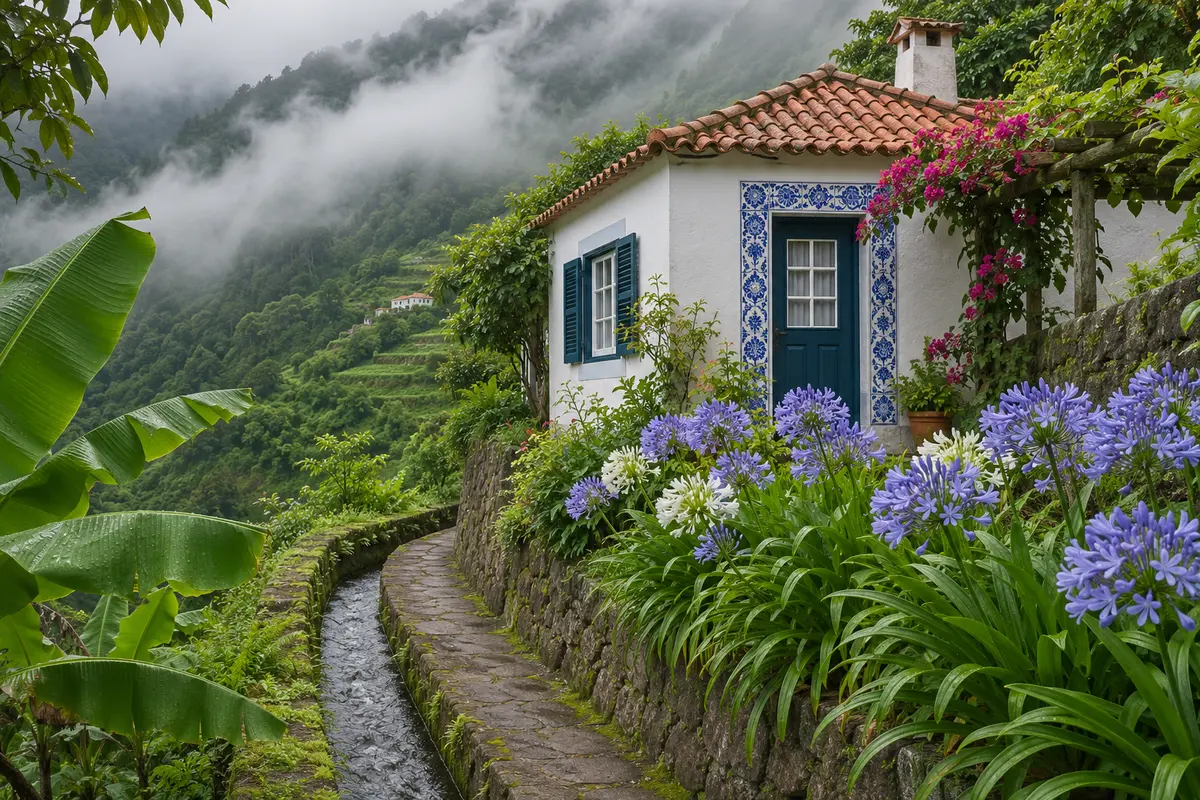
On Madeira, steep terraces, flower hedges and small houses with coloured façades are typical. Tiles appear as plaques and borders around doors.
Levadas are narrow, shallow irrigation channels, mostly cut into rock, that carry water from riverbeds to farmland far from it. Today they also supply domestic water, fountains, mills, hydroelectric plants and industry. Madeira has about 800 km of main channels and 2,300 km of secondary ones. Where possible the channels were excavated in rock; elsewhere builders used tree trunks to cross valleys and harder terrain such as basalt. Many have footpaths that were first made for maintenance and are now popular with walkers, and much of the network lies inside the Parque Natural da Madeira, where weather can change quickly.
Construction began with the settlement of the island in the 15th century, when grain dominated and levadas mainly fed mills. In the 16th century sugar cane arrived and drove new building, because cane needs more water. From the 17th to the early 19th century cane declined under competition from Brazil and the Caribbean and construction stalled. It revived in the 19th century after disease hit the vineyards, and in mid-century water was diverted from the north through tunnels, the first direct state involvement. In the 20th century banana monoculture brought another wave of building. A candidacy was submitted to UNESCO in 2017.
This is a general description, not confirmed to a single source.
Source: pt.wikipedia.org
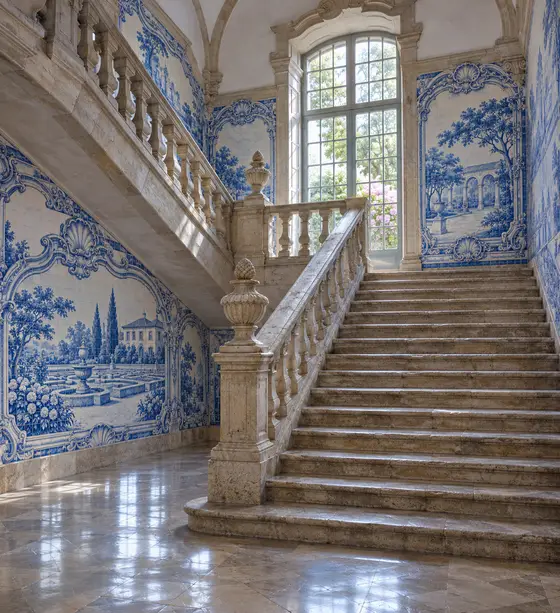
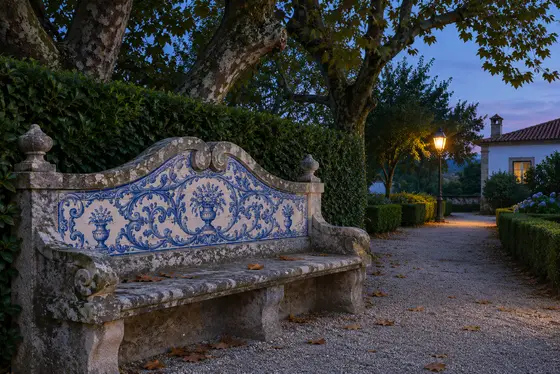
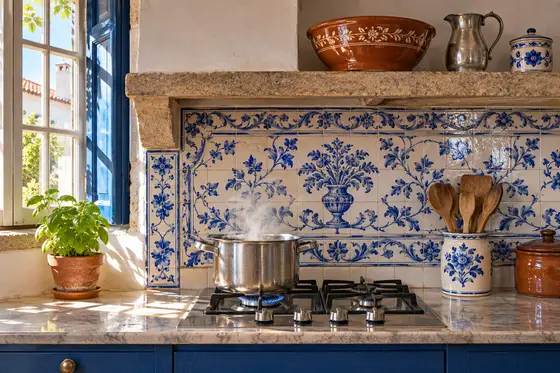
AI-generated illustration in the manner of the tradition, not a photograph of a specific object.