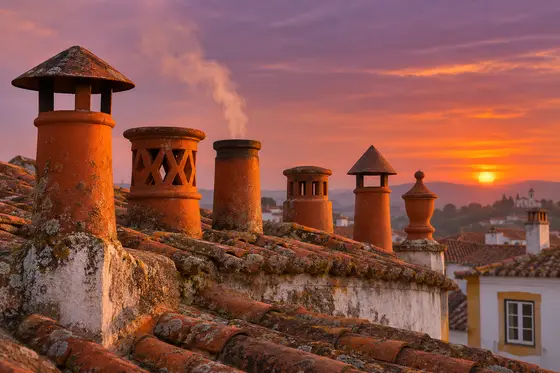
V Ceramics in place · Plate 028
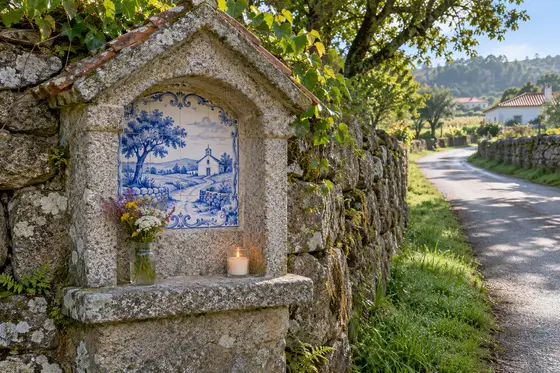
Dry-stone wall with a blank plaque
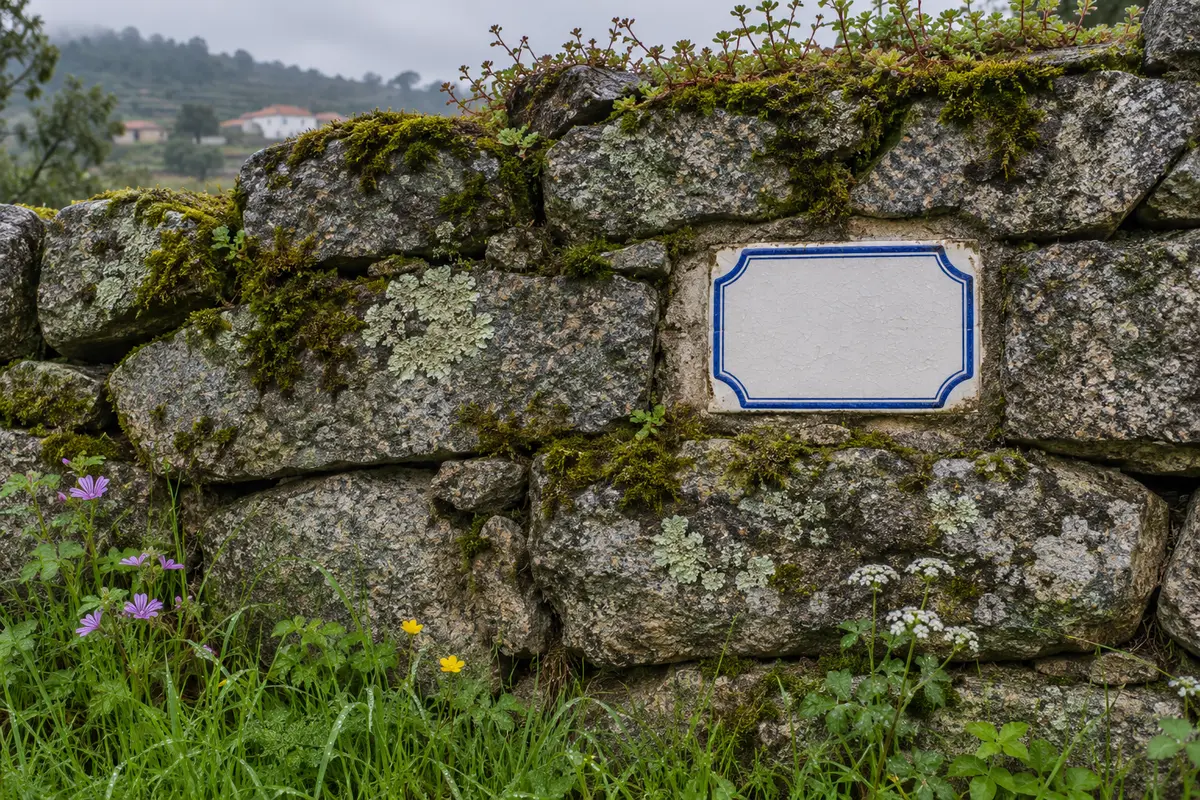
Field walls built of dry stone are common across the countryside. A glazed plaque set into one is a small modern or old-fashioned marker, left blank here.
Dry-stone walls are built from stone with no mortar; carefully chosen interlocking stones provide much of the binding. A common type is the double wall: two vertical faces, large flattish foundation stones set into the ground, stones that get smaller as the wall rises, and a narrowing profile toward the top. Long through-stones span both faces to bind them, and the gaps are packed with smaller stones called filling or hearting. Coping stones cap the top. Builders use a batter frame and guidelines, and a mistake often means taking the wall down to the error, so skilled selection of stones matters.
The technique is old. Some walls in north-west Europe date to the Neolithic, and the Céide Fields in County Mayo, Ireland, have been carbon-dated to 3800 BC. Great Zimbabwe was built in dry stone between the 11th and 15th centuries, and the Inca built dry-stone terraces in the Andes. Names vary by region: dry stone, drystack, and drystane in Scotland, where field walls are dykes and builders dykers. In 2018 UNESCO inscribed the art of dry stone walling on its list of intangible cultural heritage, in a multinational entry led by several European countries. The source does not mention Portugal, so these notes explain the technique in general, not Portuguese field walls.
This is a general description, not confirmed to a single source.
Source: en.wikipedia.org
AI-generated illustration in the manner of the tradition, not a photograph of a specific object.