I Tile types and patterns · Plate 036
Transfer-printed tile
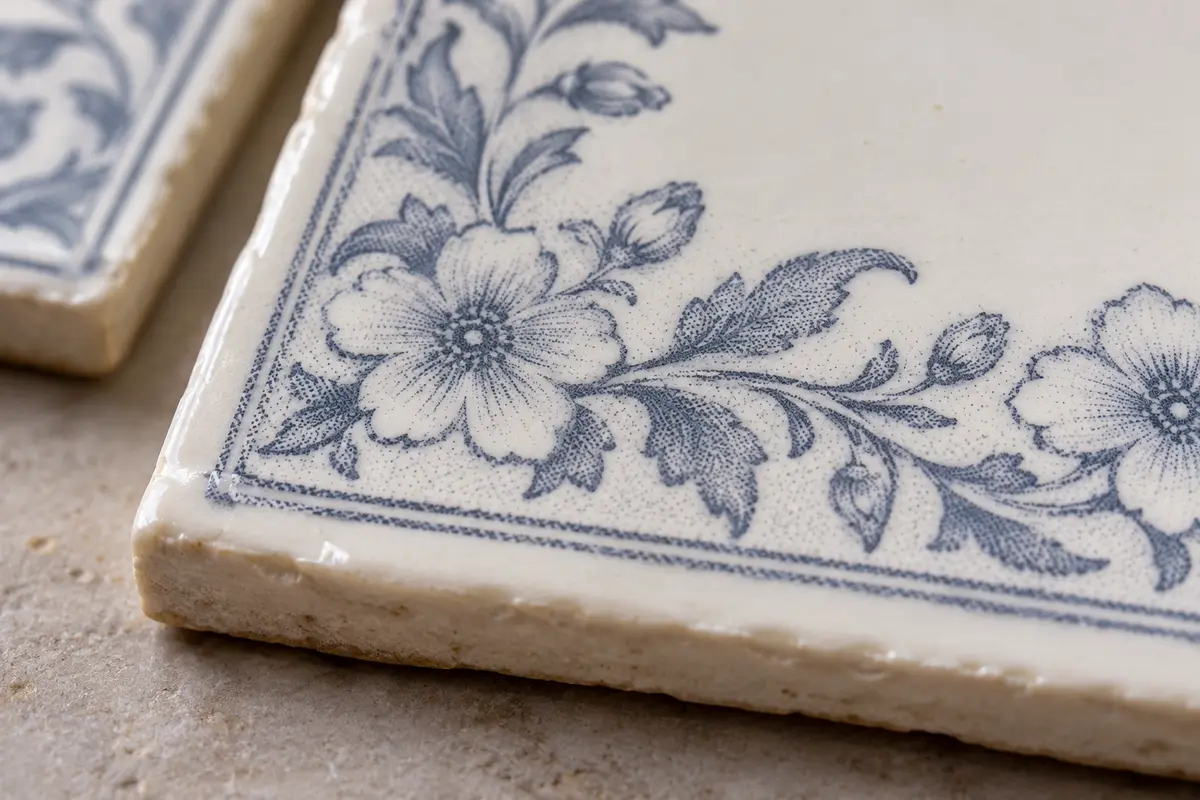
On printed tiles the design is transferred by decal from an engraving, a semi-industrial method used from the 19th century, for example in Lisbon factories.
The Portuguese name for this tile is azulejo estampado, also called impressão a talhe doce: the glazed surface is decorated with a decal, which is how a design engraved once can be repeated across thousands of tiles. English Wikipedia says that Lisbon factories used transfer-printing on blue-and-white or polychrome tiles and, in the last decades of the 19th century, switched to transfer-printing on creamware blanks. Lisbon's tourist board lists stamping and decal printing among the semi-industrial techniques used from the 19th century onward, and names Viúva Lamego, Sacavém, Constância and Roseira as the main Lisbon producers.
The idea itself is older than Portugal's use of it. The V&A records that in Liverpool in the 1750s John Sadler and Guy Green transferred engraved images to tiles using animal glue, which sped up decoration. The Tile and Architectural Ceramics Society lists transfer printing among the many decorating techniques, beside hand-painting and silk-screen, and dates the great Victorian tile boom from about 1850 to the end of the century; Herbert Minton of Stoke-on-Trent perfected the production process. Mintons also made azulejos in England in the mid-19th century. Richard Prosser's dust-pressing of 1840 gave drier tiles that warped less in firing.
Source: pt.wikipedia.org, en.wikipedia.org, vam.ac.uk, tilesoc.org.uk
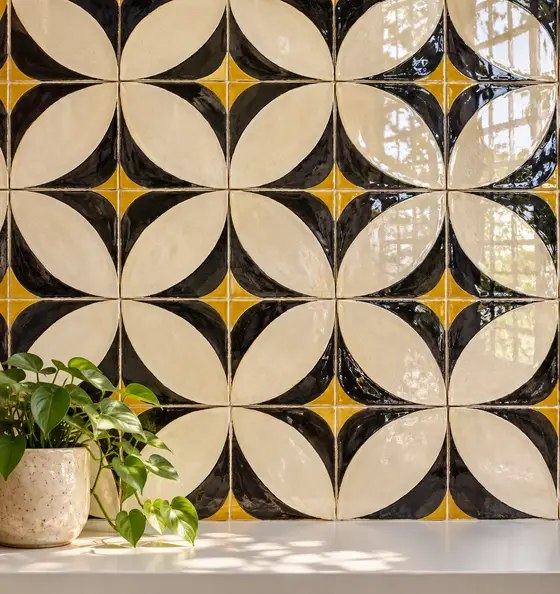
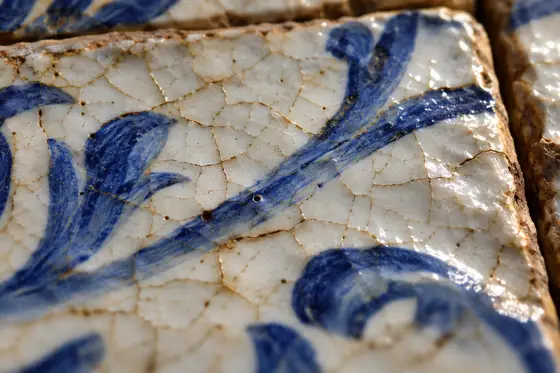
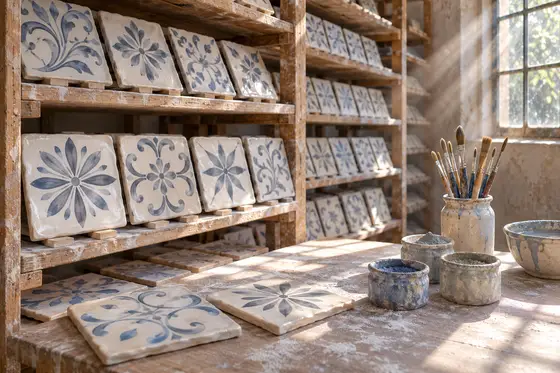
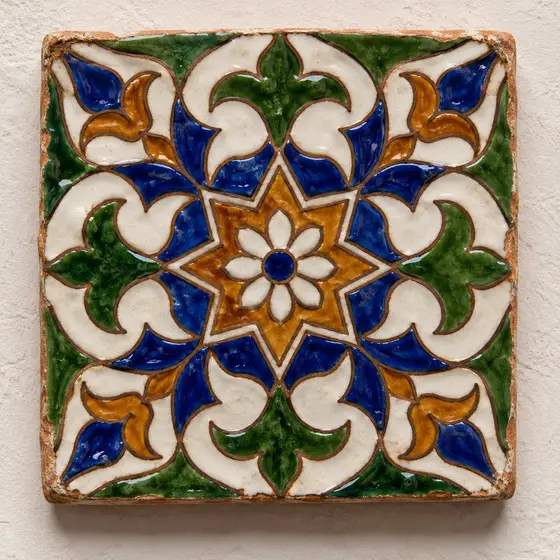
AI-generated illustration in the manner of the tradition, not a photograph of a specific object.