I Tile types and patterns · Plate 022
Albarrada panel
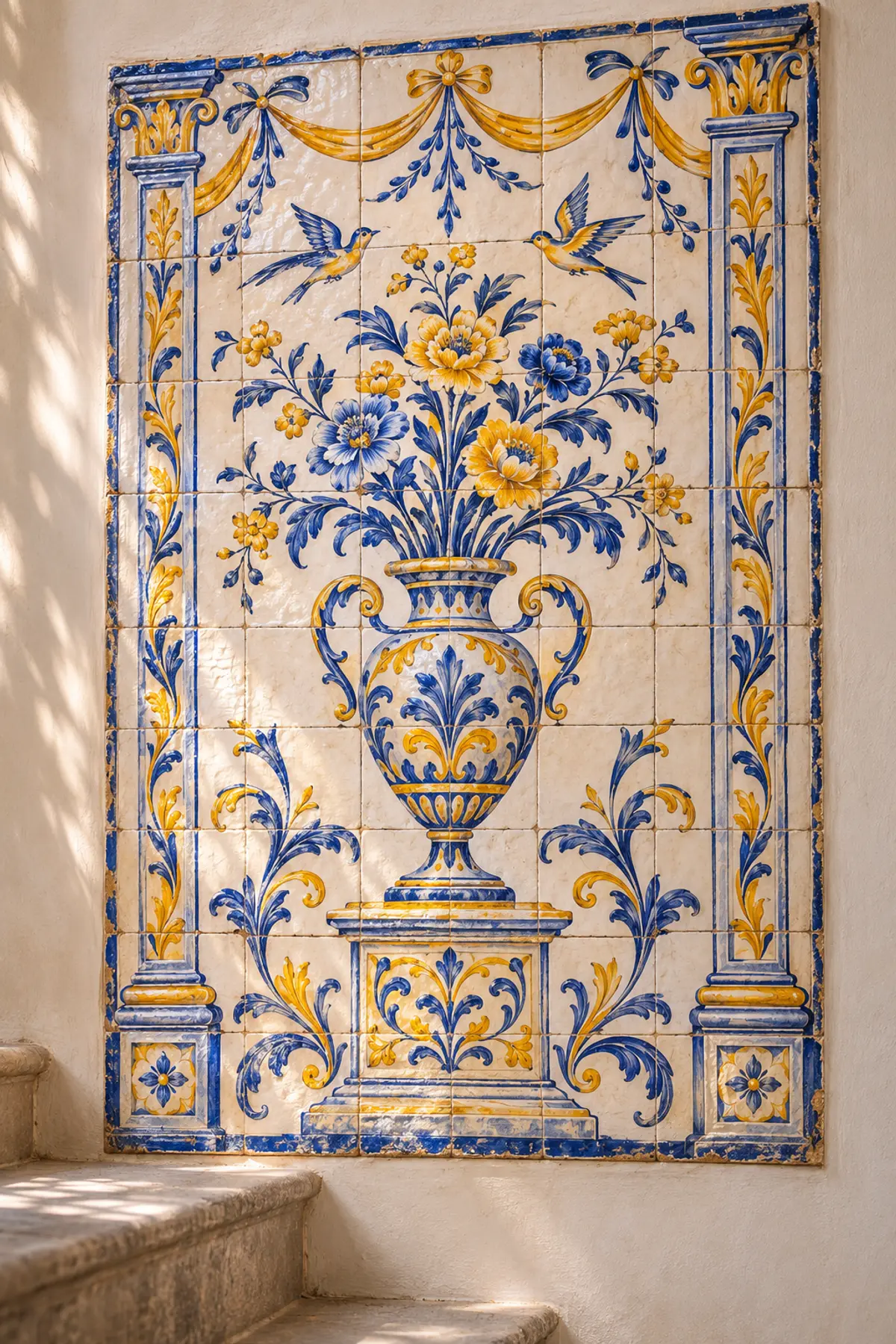
The albarrada is a motif of flowers in a jar, vase or bowl, sometimes flanked by birds or dolphins, found on Portuguese tiles from the 17th century.
Portuguese sources define the albarrada as an independent decorative motif of the 17th century, consisting of branches of flowers in a jar, basket, vase or bowl, with other figures at its sides such as birds, children or dolphins. They add that it is of Flemish origin, imported with the study of northern European print collections, and that in Portugal it took on a freer line than at home. Where repeated along a silhar, it may have architectural or plant elements between the copies.
English Wikipedia says the motif appeared in friezes during the 17th century, probably inspired by Flemish paintings of flower vases, such as those of Jan Brueghel the Elder. The albarradas were still free-standing in the 17th century, and used in repetitive modules in the 18th. A well-documented 18th-century example is an albarrada, a flower vase, by Valentim de Almeida, dated between 1729 and 1731, in the Cathedral of Porto. The Casa dos Patudos in Alpiarça also has albarradas with floral motifs in a silhar.
Source: pt.wikipedia.org, en.wikipedia.org
Read about it: Why Portuguese tiles turned blue and white →
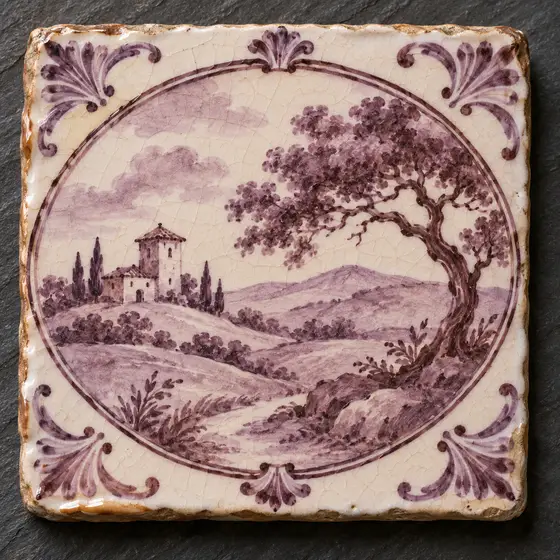
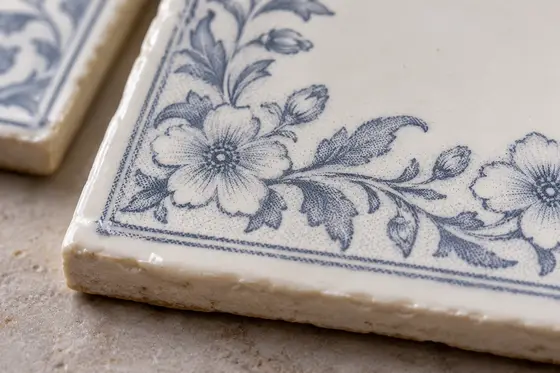
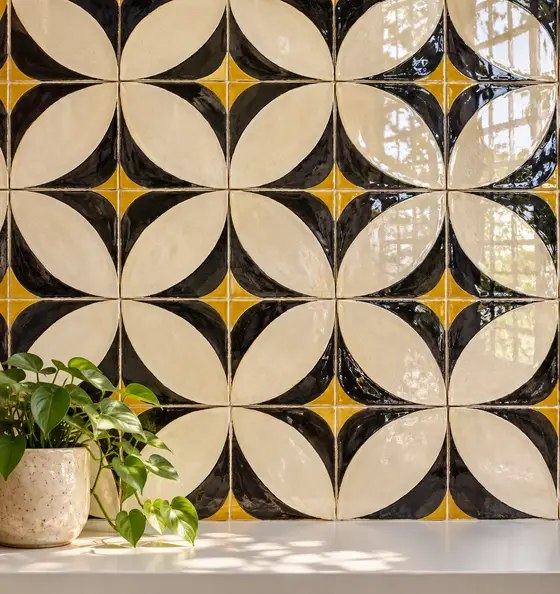
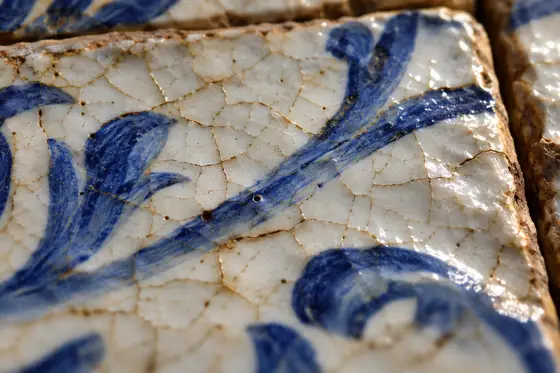
AI-generated illustration in the manner of the tradition, not a photograph of a specific object.