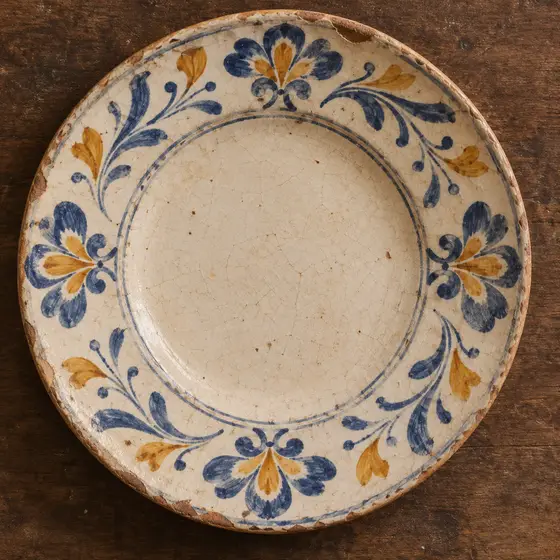
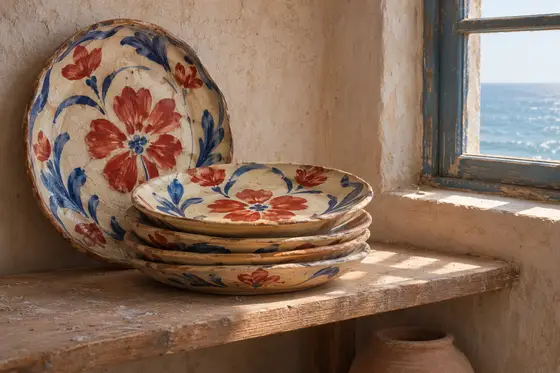
III Regional wares · Plate 048
Northern interior pot
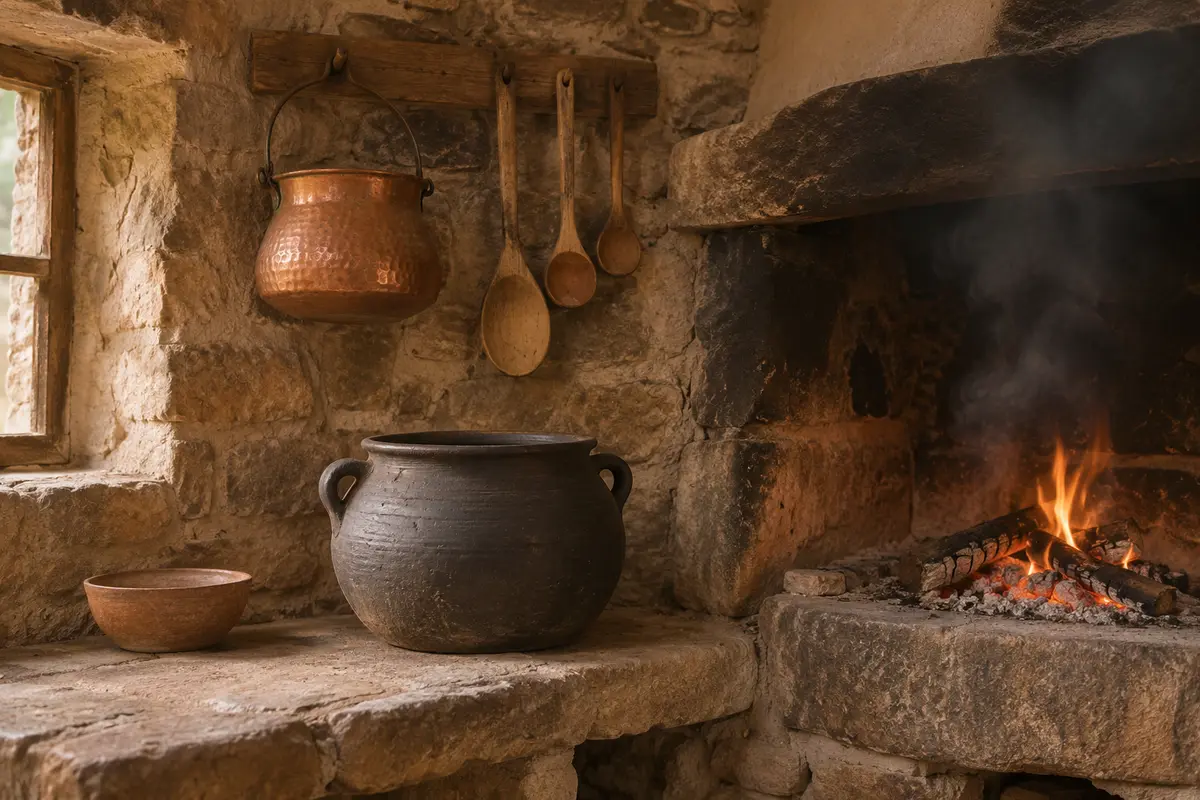
Black pottery is made in several places in northern Portugal, including Vilar de Nantes, near Chaves, and Bisalhães. This cooking pot is shown in a general style.
The Saber Fazer programme says black-pottery centres are spread across the central and northern interior and identifies 53 sites from the 17th to the 20th century. They usually stood near clay pits (barreiros). Eight centres were still active north of the Tejo in 2003, among them Vilar de Nantes (Chaves), Bisalhães (Vila Real), Santa Maria de Galegos (Barcelos), Gondar (Amarante), Fazamões (Resende) and Molelos (Tondela). Molelos had hundreds of people working in its potteries in the early 20th century. In 2016 the production of Bisalhães black pottery was inscribed on UNESCO's list in need of urgent safeguarding.
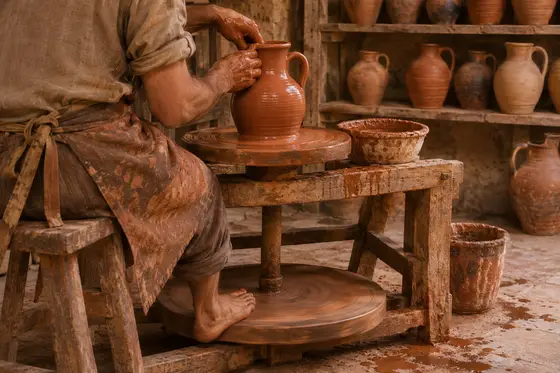
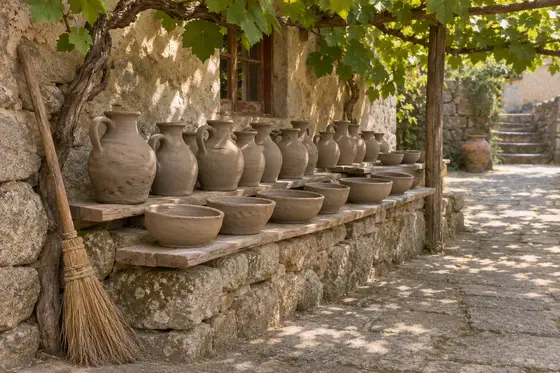
The black colour comes from reduction firing: combustion with too little oxygen leaves pieces from black to grey. Two traditional methods are the soenga at Bisalhães, often a communal firing, and the pit kiln (forno de poço) at Vilar de Nantes. Coarse ware (loiça grossa) includes alguidares, caçoilas, pots, water jugs and chestnut roasters. Fine ware (loiça fina) includes tureens, plates and jugs with finer decoration. Black pottery is especially valued for cooking meat, and the caçoila is essential for chanfana. Traditionally, men worked the wheel, while women prepared the clay, finished pieces and sold them.
Source: programasaberfazer.gov.pt
AI-generated illustration in the manner of the tradition, not a photograph of a specific object.