III Regional wares · Plate 012
Black ware drying
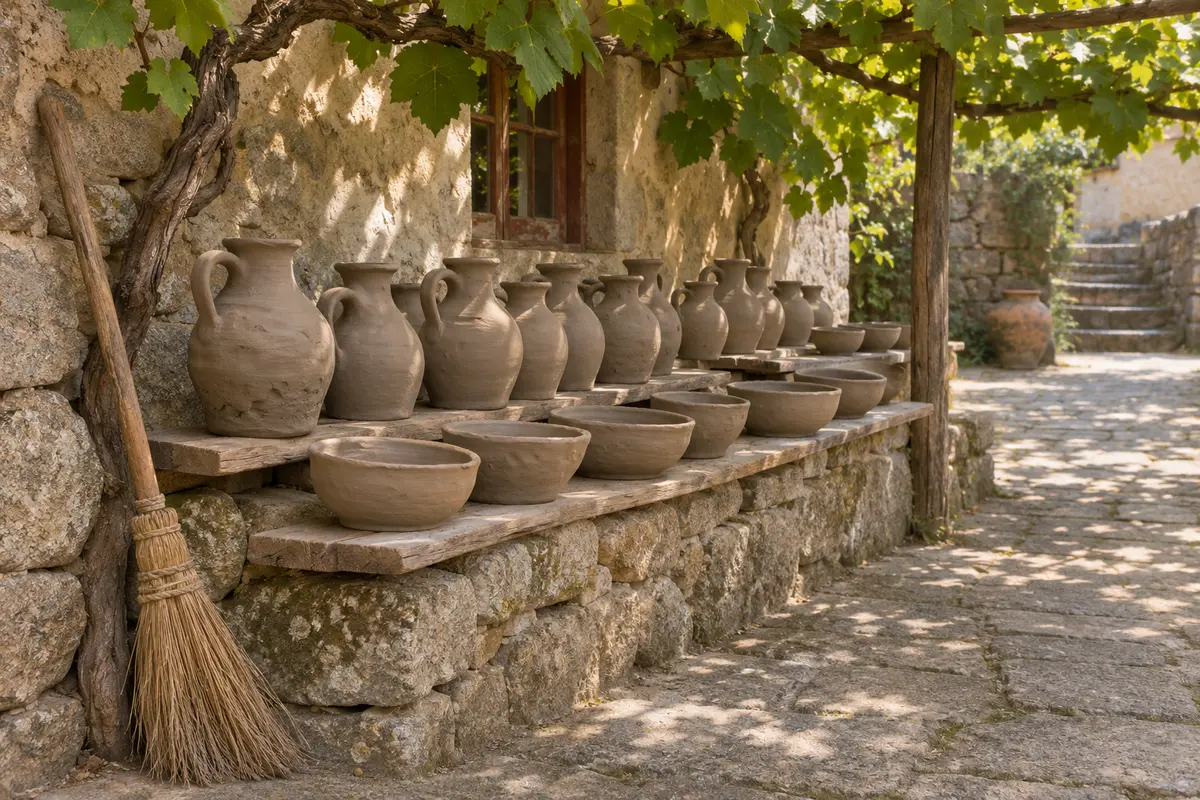
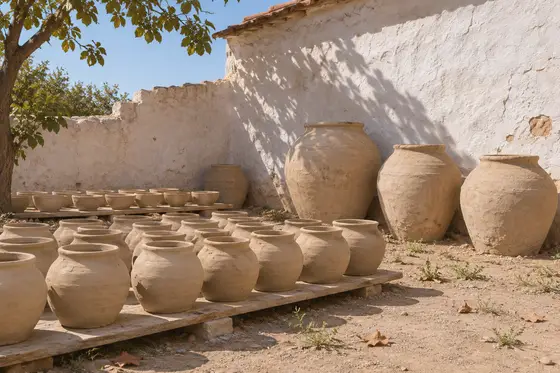
Thrown pieces must dry before firing. Careful, even drying matters, since uneven drying is the main cause of cracking in clay.
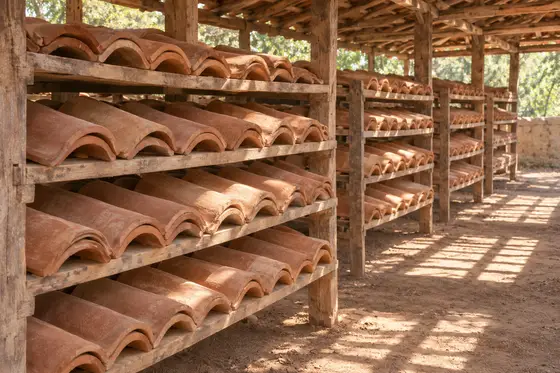
Across Portuguese potteries, drying is treated as a stage that decides the firing. The Barcelos specification calls it one of the most decisive phases and stresses careful, perfect drying. Formerly pieces were set out in the sun; today the method differs from potter to potter, with some still using the sun, others dryers and others the firing kiln itself. For polished black ware, the pieces are burnished on the wheel while still slightly damp, when they will take a uniform, shiny surface, so the timing of drying also shapes the finish. Figurado makers judge dryness by eye and do not use drying ovens.
After throwing, pieces go to the enxugo, drying in the sun, and handles and spouts are glued only after about twelve hours, then dried again before the red clay slip goes on. After the quartz is set in, the piece must lose its verdura, its greenness: it is left several days indoors, out of the light, at room temperature, until it has the consistency to withstand firing. The word for drying thus covers several stages, each with its own moment, and both the museum and the specifications treat each one as a step to respect before the kiln.
This is a general description, not confirmed to a single source.
Source: cearte.pt, cearte.pt, museubordadoebarro.cm-nisa.pt
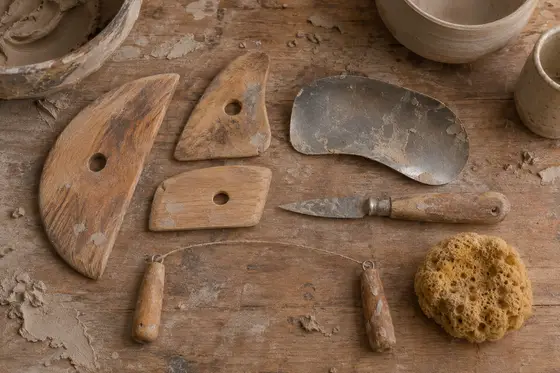
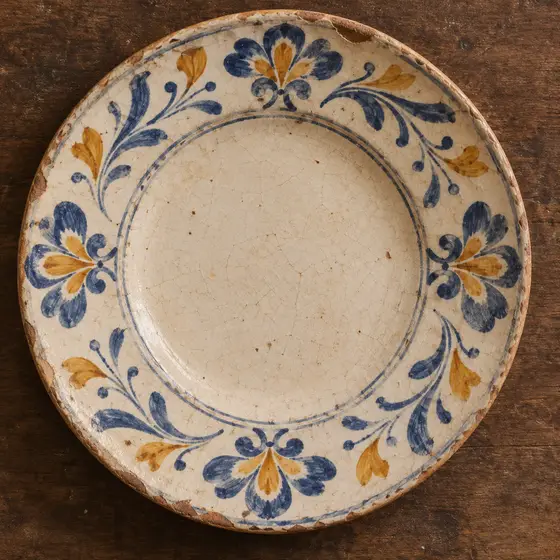
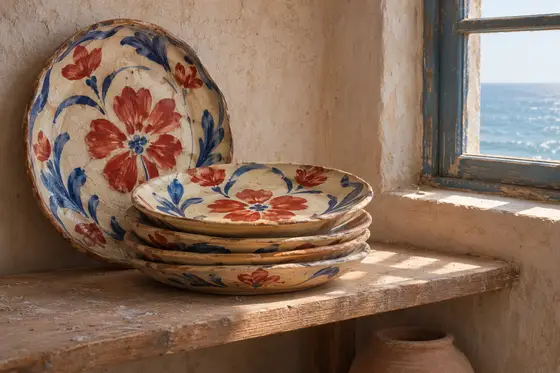
AI-generated illustration in the manner of the tradition, not a photograph of a specific object.